
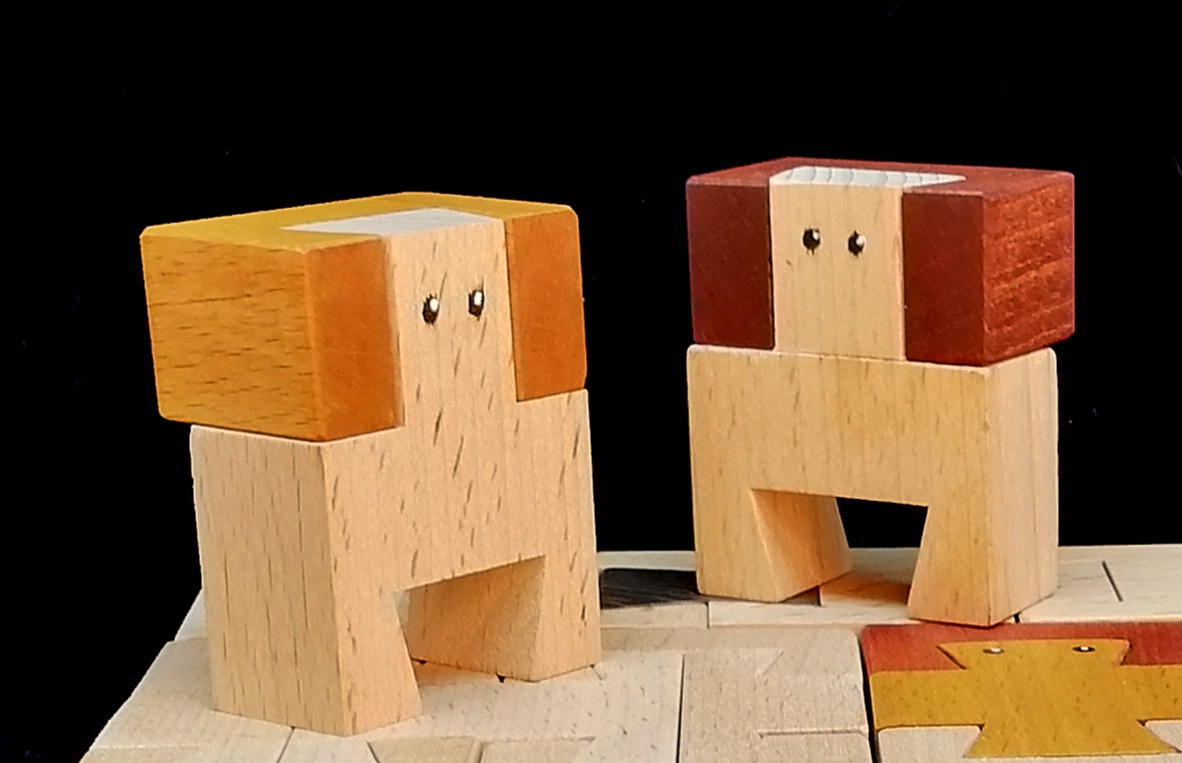
The pedagogics behind KUL.TING's PUZZLE BLOCKS
KUL.TINGs Pedagogics
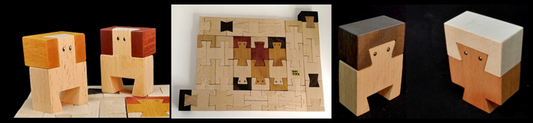
1. Play a role in discovering our exciting worl...
As an adult, you have an important role in children's play. By creating an environment where the child is safe, you provide the opportunity for exploratory play. It is important...
1. Play a role in discovering our exciting worl...
As an adult, you have an important role in children's play. By creating an environment where the child is safe, you provide the opportunity for exploratory play. It is important...
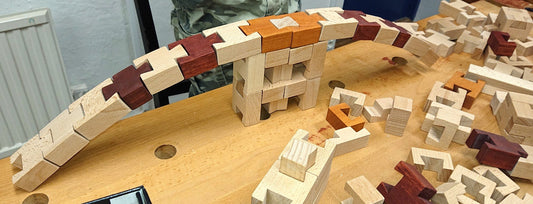
2. Why is Playing with Blocks so Important?
You probably know that play is absolutely necessary and crucial for a child's development. Through play, the child mirrors its surroundings, learns to handle it and make it understandable. The...
2. Why is Playing with Blocks so Important?
You probably know that play is absolutely necessary and crucial for a child's development. Through play, the child mirrors its surroundings, learns to handle it and make it understandable. The...
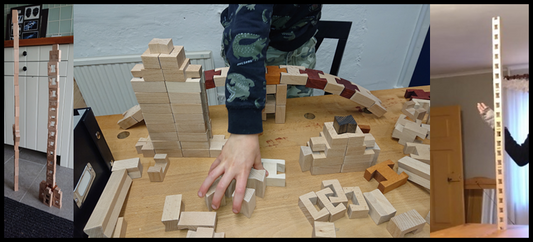
3. Stacking Buildning Blocks
Stacking blocks is an introductory exercise for understanding physics and mathematics. Stacking blocks is an exercise for language development and body image. Stacking blocks is also an exercise where the child develops...
3. Stacking Buildning Blocks
Stacking blocks is an introductory exercise for understanding physics and mathematics. Stacking blocks is an exercise for language development and body image. Stacking blocks is also an exercise where the child develops...
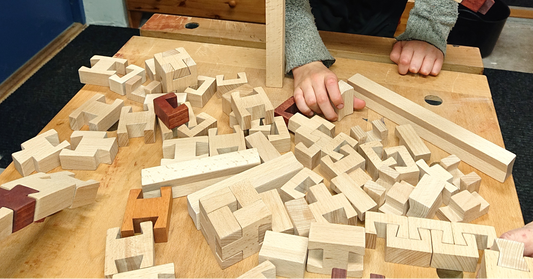
4. Sorting Building Blocks
Sorting blocks is an introductory exercise for understanding mathematics. Your child can group by different categories. The child can make patterns with the blocks. Sorting blocks is an exercise for language development...
4. Sorting Building Blocks
Sorting blocks is an introductory exercise for understanding mathematics. Your child can group by different categories. The child can make patterns with the blocks. Sorting blocks is an exercise for language development...
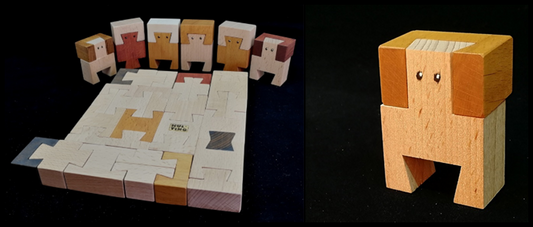
5. Laying Puzzles Using Building Blocks
Puzzle with blocks is an exercise to train the child's problem-solving skills. Puzzling with blocks is an exercise for language development and body image. Puzzling with blocks is also an exercise where...
5. Laying Puzzles Using Building Blocks
Puzzle with blocks is an exercise to train the child's problem-solving skills. Puzzling with blocks is an exercise for language development and body image. Puzzling with blocks is also an exercise where...
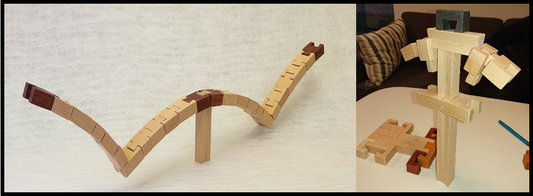
6. Balancing Building Blocks
Balancing blocks is an exercise to develop the child's understanding of physics and math. Balancing with blocks is an exercise for seeing sculpture. Balancing blocks is an exercise where the child develops...
6. Balancing Building Blocks
Balancing blocks is an exercise to develop the child's understanding of physics and math. Balancing with blocks is an exercise for seeing sculpture. Balancing blocks is an exercise where the child develops...